Can Your Ex Secretly Record Your Conversations During a Divorce?
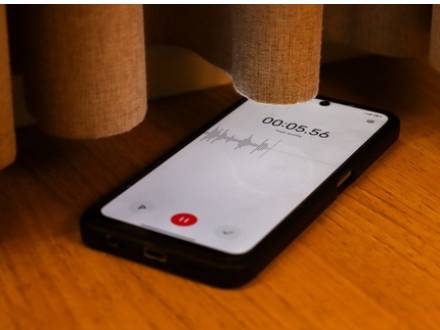 Divorce can make ordinary conversations with your ex feel much less private. You may worry that a phone call about the kids or an argument during an exchange could potentially be recorded and brought up later in the case.
Whether your ex can legally record you without telling you depends on federal and state recording laws. Some states have strict consent requirements, while others allow a person to secretly record a conversation. If you are concerned about secret recordings being used in your divorce in 2026, a local divorce attorney for fathers’ rights can explain the rules where you live.
Can Your Ex Record You Without Telling You?
Federal law generally allows a person to record a conversation if they are participating in it or if at least one participant has given consent. This principle is reflected in the federal Wiretap Act, including 18 U.S.C. § 2511.
However, some state laws provide greater privacy protections. Most states follow a one-party consent approach, while others require everyone involved to consent in at least some situations. This means a recording that is legal in one state could violate the law in another. Interstate phone calls can complicate the issue because the people involved may be in states with different rules.
What Is the Difference Between One-Party and All-Party Consent?
One-party consent means one person involved in the conversation can agree to having the conversation recorded, and so the entire recording is legal. This means that in one-party consent states, if your ex is speaking with you, they can record the conversation without warning you.
All-party consent means that everyone involved in a private conversation must agree to the recording. You may also hear this called "two-party consent," although more than two people can be involved in a conversation.
Where the phone call happens matters as well. Privacy protections are stronger when you reasonably expect a conversation to be private than when you are speaking openly in a public place.
Can a Secret Recording Be Used Against You in a Divorce?
A recording may be used as evidence in a divorce or custody dispute, but its existence does not automatically mean a judge will consider it. The court has to decide whether the recording was legal and whether it meets the rules of evidence.
What the recording captures can also affect the case. For example, an argument about parenting time could be presented as evidence in a custody dispute. A lawyer may need to provide context if a short recording gives a misleading picture of a longer conversation.
Illegal recordings create separate concerns. Federal law makes it illegal to use or share conversations that someone knows were illegally recorded. States have their own criminal penalties for illegally sharing recorded conversations.
What Should You Do If You Think Your Ex Is Recording You?
Learning that your ex is recording you can make it tempting to confront them or start recording them in return. Before doing either, find out what your state allows.
A few precautions can help:
-
Communicate as though discussions about your divorce or children could eventually reach the courtroom.
-
Keep important written messages and other records related to your case.
-
Ask your attorney before making a secret recording of your own.
-
Tell your attorney if you discover a hidden recording device or learn that private conversations were recorded.
Your lawyer can help determine which recording laws apply and whether the recording could become an issue in your divorce.
What If Your Ex Records Conversations With Your Children?
Recording a child is not automatically legal simply because the person making the recording is the child’s parent. What matters more is who else was participating in the conversation and what federal and state recording laws allow.
If your ex records a conversation directly with your child, one-party consent rules may allow the recording because your ex is part of the conversation. A different issue arises if your ex hides a recording device in your child’s belongings to capture what you say during your parenting time. Your ex is not part of those conversations, so secretly recording them may violate federal or state law.
Recordings involving children may also become an issue in a child custody case. If you discover that your ex is using your child or a hidden device to record you, save any evidence of what happened and speak with your attorney before confronting your ex or making recordings of your own.
Talk to a Local Father’s Rights Divorce Lawyer About Secret Recordings
Secret recordings can affect a divorce or custody dispute, and the rules are not uniform across the country. Before recording your ex or trying to use a recording in court, find out what the law permits where you live. An experienced divorce and father’s rights attorney can review how the recording was made and explain what options you have for addressing it during your case.